The Side Character Stans: Why Asian Drama Fans Are Obsessing Over Characters Who Barely Get Five Minutes of Screen Time
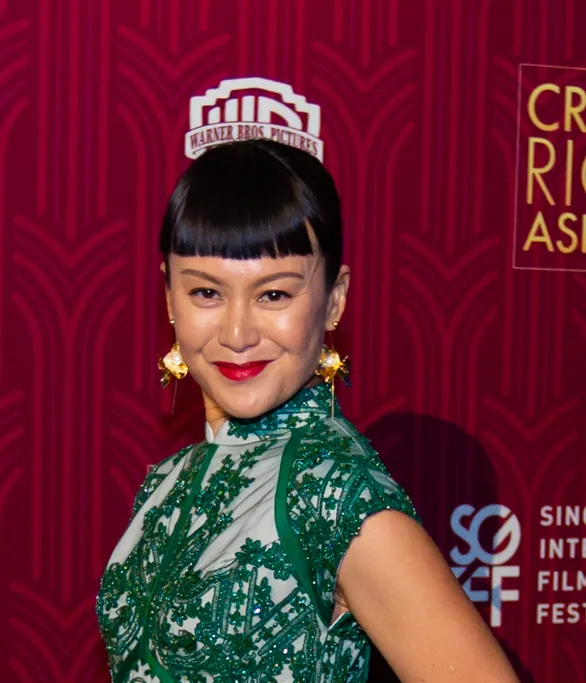
Photo: Flyentertains, CC BY-SA 4.0, via Wikimedia Commons
You know the type. They show up in episode two, exchange maybe four lines of dialogue with the lead, flash a smile that could power a small city, and then basically disappear for the rest of the series. By episode four, there are three fan accounts dedicated to them on Instagram, a 47-page fan fiction thread on Tumblr, and someone on Reddit has already made a detailed timeline of every single second they appeared on screen.
Welcome to the side character stan phenomenon — one of the most fascinating corners of the Asian drama fandom, and honestly one of the most unexpectedly emotional.
The Character Who Stole the Show Without Even Trying
If you've spent any real time in K-drama or C-drama communities online, you've seen this play out. A show like Reply 1988 gives you a whole ensemble, but somehow fans end up writing dissertations about the neighbor kid who had maybe twelve scenes total. Vincenzo fans still mourn the loss of a particular side character years after the finale aired. Alchemy of Souls spawned a whole cottage industry of fan content around characters who weren't even part of the main love triangle.
This isn't random. Asian dramas — whether they're coming out of South Korea, China, Japan, or Thailand — have a specific way of constructing their supporting casts that Western television largely doesn't bother with. Every person in the frame feels like they have a life happening off-camera. The convenience store clerk has a backstory. The best friend has opinions and a personality that doesn't exist solely to reflect the lead's feelings back at them. The villain's henchman has moments of hesitation that make you wonder what his deal actually is.
That specificity is deliberate, and it's incredibly effective.
Why Your Brain Latches On So Hard
Here's the psychology behind it: when a character has limited screen time, your brain does something interesting — it fills in the gaps. You get just enough information to find them compelling, and then the show moves on. That incompleteness triggers what researchers call the Zeigarnik effect, the same cognitive quirk that makes you remember unfinished tasks more vividly than completed ones. Your mind keeps returning to the open loop.
For side characters in Asian dramas, that loop almost never closes. You never get their full arc. You never see their ending. And so fans build it themselves.
This is where the fan accounts, the fan art, and yes, the digital shrines come in. When a fandom collectively decides that a minor character deserved better, the creative output is genuinely staggering. Pinterest boards organized by outfit. Twitter threads analyzing every background appearance. Fan fiction that gives them the love story the show never did. Custom merchandise — stickers, prints, phone cases — featuring characters who maybe had a combined fifteen minutes of total screen time across a full sixteen-episode run.
The American Fan Factor
What's particularly interesting is how intensely American viewers latch onto this phenomenon compared to audiences watching Western television. And there's a real reason for that gap.
In most American network dramas or streaming originals, side characters tend to function as furniture. They exist to move the plot forward or provide exposition. Think about how many procedurals have a "funny coworker" who never evolves beyond that single descriptor. Even prestige TV — your Succession-type shows — tends to keep its emotional investment concentrated in a small core cast.
Asian dramas hand you a world instead of just a story. The side characters feel like people you could actually run into, which means American audiences who grew up with comparatively flat supporting casts experience something almost disorienting when they encounter a character like, say, the quietly suffering second lead's best friend who has exactly one scene of genuine vulnerability. It hits different because you weren't expecting it.
There's also a cultural accessibility angle worth considering. For American viewers coming to Asian dramas from the outside, side characters can sometimes be an easier emotional entry point than leads. The leads carry the weight of the central romance, the genre conventions, the tropes. A side character just gets to exist. And that breathing room can make them feel more real, more relatable, more like someone you'd actually want to hang out with.
The Digital Shrine as Love Language
Let's talk about what these fan communities actually build, because it goes way beyond a few posts.
Dedicated fan accounts for minor characters regularly amass tens of thousands of followers. There are Discord servers specifically for people who are still not over a particular side character's storyline. Fan wikis with more detailed entries for supporting cast members than the shows' own official pages. Gifsets that compile every single frame a character appeared in, edited together into something that feels like a highlight reel for someone who technically wasn't even highlighted.
And then there's the merchandise. Platforms like Etsy are full of fan-made goods featuring characters who didn't even make the official merch lineup. Someone out there is buying a tote bag with the face of a character who appeared in four episodes, and they feel completely justified about it. Because to them, that character mattered.
That's the thing about parasocial relationships — the emotional weight you assign to a fictional person doesn't correlate to how much screen time they received. It correlates to how much of yourself you saw in them, or how much you wanted to protect them, or how much their brief existence in the story made you feel something you didn't see coming.
What This Tells Us About Storytelling
The side character stan phenomenon is ultimately a testament to how differently Asian dramas approach the concept of a fully realized world. When showrunners and writers invest in making every person on screen feel human — even the ones who only show up twice — they create something that audiences can't stop thinking about long after the final episode drops.
For American viewers especially, experiencing that kind of storytelling for the first time can genuinely rewire your expectations. Once you've fallen hard for a C-drama side character who had approximately eight minutes of total screen time, it becomes very difficult to go back to watching shows where the supporting cast exists purely as scenery.
So if you've recently found yourself deep in a fan account dedicated to a character whose name you had to look up because the show barely mentioned it — first of all, you're in good company. Second of all, welcome to one of the most passionate, creative, and genuinely wholesome corners of the internet.
They deserved more screen time. The fans are just making sure they get it anyway.