Sign Here, Fall in Love Later: Why the Contract Marriage Trope Still Runs Asian Drama
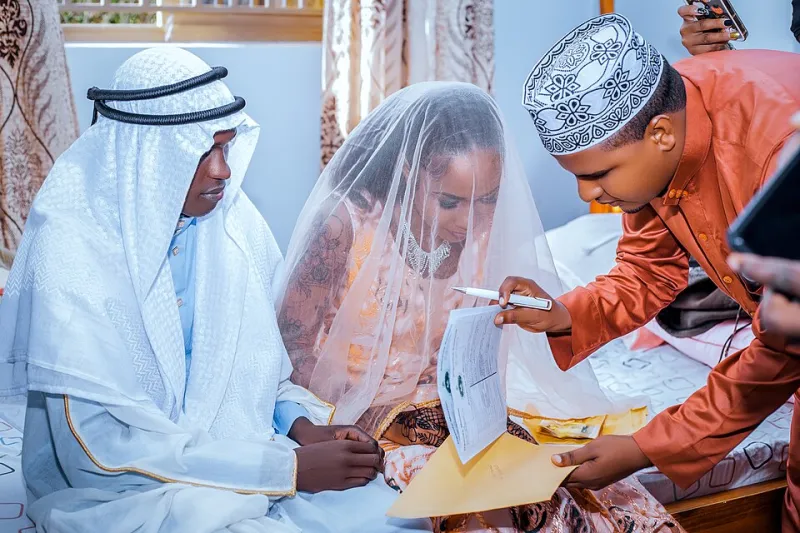
Photo: Kakomo256, CC BY-SA 4.0, via Wikimedia Commons
The conference room is beige. The lawyer looks like they have seen this exact meeting a hundred times. Two absurdly attractive people who would never otherwise share a grocery run are signing a document that says, in effect: we will pretend to be married for one year, follow these clauses, and absolutely not fall in love. If you have watched more than three Asian dramas, you know the scene. You might even know the font on the contract.
In 2026, the contract marriage and its close cousin, contract dating, remain some of the most reliable engines in the genre. Streaming libraries are deeper than ever, and US viewers still press play even though we can predict every beat. The question is not whether the deal will collapse. It is why we keep signing up anyway.
The Paperwork Is the Point
The montage is the tell. There is always a montage. Clauses are read aloud. A pen is clicked. Someone says the word 'boundaries' like it is a personality trait. The contract itself is the fantasy: intimacy with an exit clause. Real commitment is messy, unscripted, and impossible to negotiate at a conference table. A fake marriage gives you the shape of a relationship without the risk of being known.
For US viewers in 2026, that fantasy lands harder than it used to. Dating apps have turned into customer service portals. Situationships have their own lore. Housing costs and student loans make the idea of merging lives feel less romantic than actuarial. The contract marriage is a rom-com prenup, a way to rehearse partnership while keeping one foot in the hallway. It is not that we fear commitment. It is that we want commitment to come with a table of contents.
Money, Family, and the Real Pressure Cooker
Asian dramas rarely pretend the arrangement is only about love. Someone needs an inheritance. A grandmother needs to see a wedding before she will hand over the company. A visa is expiring. An apartment is rent-controlled. The contract is a response to family pressure and financial pressure at the same time, which is why it feels both absurd and familiar.
US audiences may not have chaebol grandparents threatening to redistribute shares, but we understand group chats that ask when you are getting serious. We understand the cost of living. We understand the quiet panic of a lease renewal. The contract marriage takes those anxieties and dresses them in excellent tailoring. It says: what if the practical thing and the romantic thing were the same thing, eventually? That is a powerful pitch in any economy.
Feelings Are the Breach of Contract
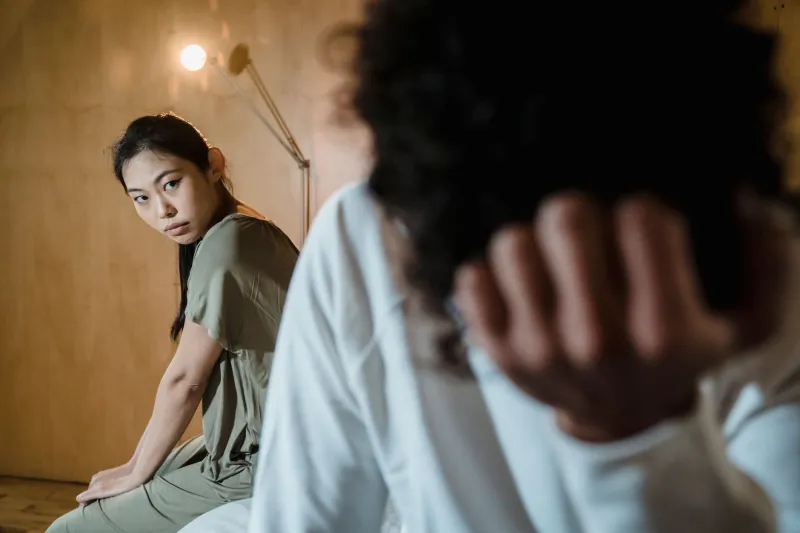
The best contract dramas are not about whether the couple will get together. They are about when the deal stops being a deal. It is the first unscripted gesture: a hand on a wrist, a bowl of soup left on the counter, a coat draped over shoulders without a clause to justify it. The contract had rules. The heart did not read the memo.
This is where the trope earns its keep. The fake relationship provides plausible deniability for vulnerability. 'We are just acting' is a lie the characters tell themselves, and viewers love watching that lie curdle into something sincere. The betrayal is not romantic. It is contractual. Someone catches feelings, and suddenly the paperwork is not protection anymore. It is evidence.
US viewers have learned to read the signs. The lingering look after the fake kiss. The way one character starts dressing for the arrangement instead of for themselves. The moment the contract is mentioned and someone flinches. These are not subtle cues, but they work because the show has trained us to want the breach. We are not waiting for the wedding. We are waiting for the confession.
Why It Still Works in 2026
The contract marriage is modular. It fits workplace romances, historical dramas, fantasy kingdoms, and glossy chaebol epics. It gives writers clear stakes and a guaranteed payoff. It also gives viewers a closed emotional system: a beginning, a middle, and a contractually obligated ending. In a streaming landscape full of unfinished stories, that reliability is comforting.
There is also something deeply Asian drama about the trope's treatment of family. Parents are not background noise. They are pressure systems. The fake marriage often exists because a character cannot say no to a parent, a company, or a version of adulthood that was decided for them. US fans may not share the exact circumstances, but we recognize the feeling of being trapped between what we want and what everyone expects. The genre lets us watch someone negotiate that trap and still get kissed in the rain.
The fake marriage is not an escape from commitment. It is a safe way to rehearse it. It gives us the paperwork, the rules, and the exit clause, then shows us what happens when love refuses to follow the terms. We keep watching because we want to believe that the messiest human emotion can still surprise a document. In 2026, that is a fantasy worth streaming.